
Chimney Sweeping vs. Chimney Cleaning: What Is the Difference?
The difference between chimney sweeping and chimney cleaning is mostly terminology: sweeping describes removing soot and creosote, while cleaning describes getting those deposits out of the flue. For a coated flue, book a chimney cleaning service rather than relying on surface cleanup.
Need help now? (240) 433-5089
What Is the Difference Between Chimney Sweeping and Chimney Cleaning?
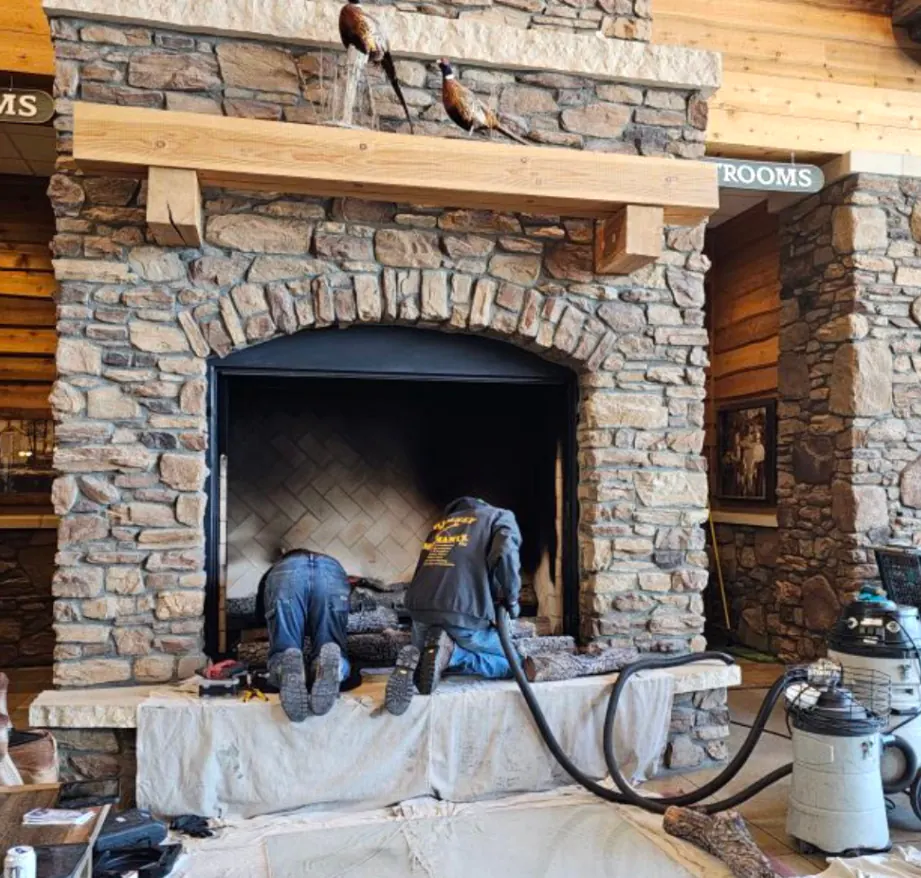
In everyday use, chimney sweeping and chimney cleaning usually refer to the same core job: removing soot and creosote deposits from the flue. “Sweeping” describes the traditional method of brushing the chimney, while “cleaning” describes the removal of accumulated material. The wording alone does not tell you how much buildup is present or what tools the chimney needs.
A proper cleaning is more than wiping the visible fireplace opening. Deposits can collect higher in the flue, where you cannot see them from the room. The amount and type of residue matter: loose soot and flaky creosote differ from thick, hardened creosote, which may need a different removal approach.
Neither term automatically means that the chimney has been inspected for structural problems. Cleaning removes deposits; inspection checks the condition and safe operation of the system. Ask for the service that addresses the concern you have, rather than assuming one term includes the other.
Which Chimney Service Fits the Problem You See?
Sweeping
This is the familiar name for removing soot and creosote from the flue with brushes or other suitable tools. It fits routine removal of combustion deposits, but does not by itself confirm that masonry, the liner, or other parts are sound.
Cleaning
This names the result and broader task of clearing accumulated material from the chimney. The method and amount of work depend on what is inside; stubborn, glazed creosote is different from a light layer of soot.
Inspection
An inspection evaluates the chimney and fireplace for damage, obstruction, or other conditions. It is a separate service from removing deposits, so request it when you have a concern about condition or have changed the appliance.
What Signs Point to Chimney Buildup?
A quick look from the room can reveal reasons to arrange service, but it cannot show the full length of the flue. Do not climb onto the roof or reach into the chimney to check it.
- Black or brown residue — Soot around the firebox or visible on the damper can indicate combustion residue. It does not show how much creosote has collected farther up the flue.
- Smoke entering the room — Smoke that spills indoors instead of rising through the chimney needs attention. Stop using the fireplace until the draft or blockage issue is checked.
- A strong smoky odor — A lingering odor may come from deposits or residue in the fireplace and flue. Note when it is strongest, such as after rain or when the fireplace is unused.
- A change in how the fireplace draws — A fire that used to vent well but now struggles can point to an obstruction or a change in draft. Do not assume brushing alone will solve it; the cause may need inspection.
Need help now? (240) 433-5089
What Can You Check Before Arranging Chimney Cleaning?
These checks help you describe the issue without taking on roof work or attempting to brush the flue yourself. Let the fireplace and ashes cool completely before looking inside.
- Confirm the fireplace is cold — Wait until there are no live embers or hot ashes. Check that the firebox is cool before using a flashlight or moving the screen.
- Look over the firebox — Use a flashlight to view the firebox walls and floor from the room. Note loose black residue, cracked firebrick, or debris, but do not scrape or disturb material.
- Check the damper position — Use the handle from its normal operating position to see whether the damper opens and closes. Look for obvious debris or a jam; do not force a stuck damper.
- Observe the flue opening from below — With the fireplace cold, shine a flashlight upward only as far as you can see safely from the room. Record visible deposits or an obstruction; do not put your head or hands into the flue.
- Note smoke and draft changes — Write down whether smoke spills indoors, whether the fire struggles to draw, and when the change began. These details help distinguish buildup from a draft or blockage concern.
- Check for water clues — Look for dampness, staining, or a musty smell around the fireplace. Moisture can point to a separate chimney leak issue, so mention it rather than treating it as a cleaning problem.
- Arrange professional service — Share what you observed and whether the fireplace burns wood or uses gas. A chimney sweep can assess whether deposit removal, inspection, or another service is appropriate.
Does Chimney Cleaning Replace an Inspection?
No. Cleaning removes deposits, while an inspection evaluates the chimney’s condition and checks for hazards or damage. A clean flue can still have a cracked liner, damaged masonry, a blocked cap, or another issue that brushing will not repair.
The Chimney Safety Institute of America’s homeowner guidance notes the NFPA 211 recommendation for an annual inspection of chimneys, fireplaces, and vents. It also identifies 1/8 inch of creosote buildup as a point at which cleaning is needed. The amount and condition of deposits guide the work; a visual check from the room cannot measure the entire flue.
When Is Sweeping Not Enough to Solve the Chimney Problem?
A recurring blockage, smoke entering the house, a damper that will not move, or water around the fireplace can signal a problem beyond deposits. A sweep may clear soot and creosote, but cleaning does not repair a damaged liner, chimney crown, flashing, or masonry.
Do not keep using a fireplace that sends smoke into the room or has an unexplained change in operation. Tell the chimney professional what changed and when; that helps direct attention to the flue, damper, venting, or visible signs of moisture. For more clues about deposits, see how to tell if your chimney needs cleaning.
Need help now? (240) 433-5089
How Long Does Chimney Cleaning Take, and How Do You Book?
The time a cleaning visit takes depends on the chimney’s height and layout, access, the amount and type of deposits, and whether the inspection finds a separate concern. A straightforward removal of loose soot is different from work involving hardened creosote or an obstruction, so the condition of the flue determines the scope.
When booking, describe the fireplace type, the last time it was cleaned if you know, and any smoke, odor, or draft changes. Maryland Chimney Service offers same-day service and is open 24 hours a day, 7 days a week. You can contact us to arrange service; we serve Maryland from our Silver Spring base.
What Should You Do After the Chimney Is Cleaned?
Ask what deposits were removed and whether the visit identified anything that needs inspection or repair. Keep the service details with your home records so you can compare changes in fireplace draft, odor, or residue over time.
If smoke still spills into the room, the damper does not operate properly, or a new odor appears, do not treat a repeat cleaning as the automatic answer. Those signs can point to a venting, obstruction, or system-condition problem that needs a closer assessment.
Frequently asked questions
What is a chimney sweep?
A chimney sweep is a professional who removes soot, creosote, and other debris from chimneys and related fireplace systems. The term describes the service provider and is also commonly used for the cleaning service.
Can I clean my chimney myself?
You can inspect the firebox and damper from a safe position after everything is cold, but cleaning the full flue requires reaching deposits you cannot see from the room. Avoid roof access and do not attempt to remove hardened creosote yourself; arrange a chimney cleaning service for the flue.
How can I tell whether my fireplace needs cleaning?
Visible soot, a strong smoky odor, smoke spilling into the room, or a change in draft are reasons to arrange service. A view from the fireplace opening cannot show the full flue, so a professional assessment is needed to determine the deposit level.
Does a chimney sweep inspect the chimney too?
Sweeping refers to removing deposits, while inspection evaluates the chimney’s condition. Ask for both when you need the flue cleaned and want its components checked, because the two tasks address different concerns.
Book Chimney Cleaning
Call Maryland Chimney Service at (240) 433-5089 to arrange chimney cleaning or describe a smoke, draft, or buildup concern.